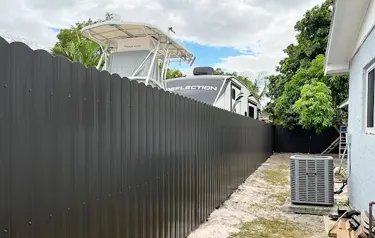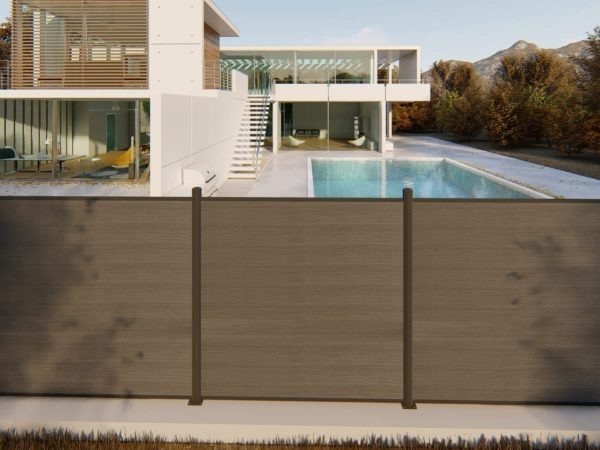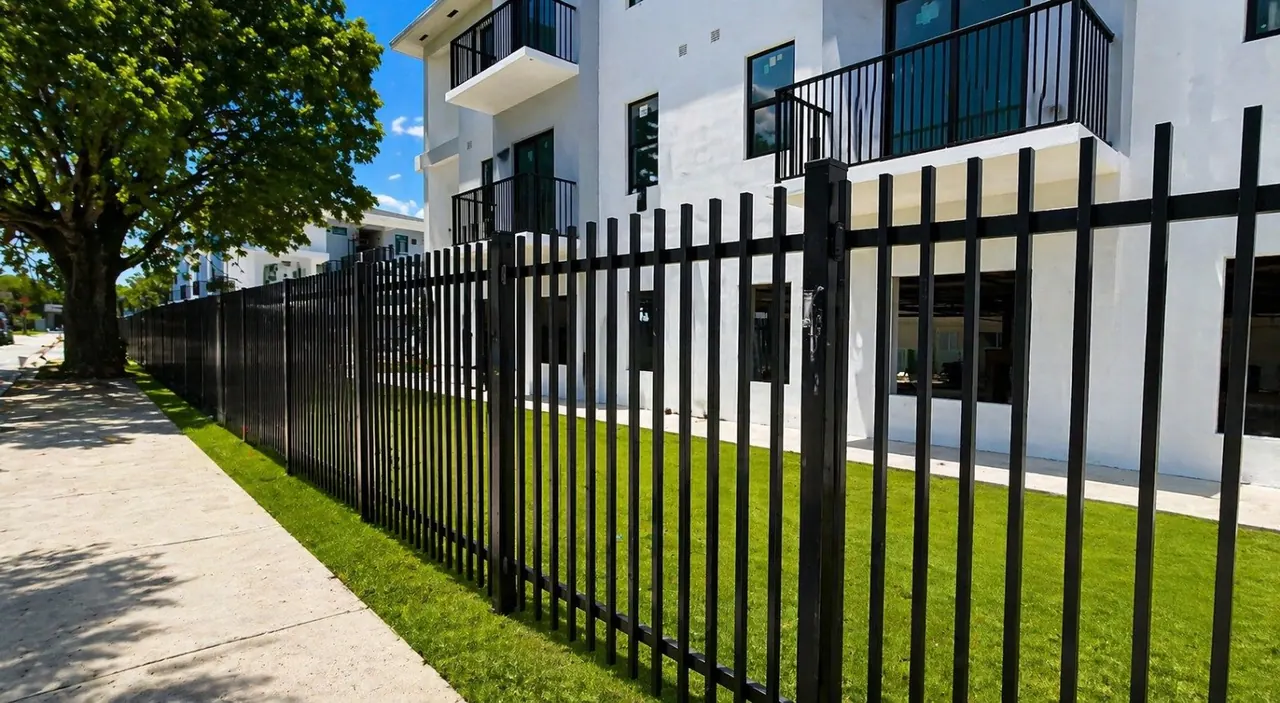
Roughly two-thirds of our installs in Broward County are inside HOA communities. Most homeowners come to us already frustrated — they've gotten the wrong forms, submitted the wrong drawings, or had their first attempt rejected for reasons that nobody explained clearly. The HOA review process isn't designed to be obstructive, but it does have rules. If you understand them up front, you can clear ARC review on the first attempt.
Here's our internal playbook. We use this on every HOA install and it gets us a 92% first-attempt approval rate.
Step 1: Get the real ARC packet
Every HOA has an Architectural Review Committee (ARC) and every one has its own packet. Get the current version from your management company — not what your neighbor used three years ago. Architectural standards are amended yearly in most communities and old packets are a common rejection trigger.
The packet will specify: allowed materials, allowed colors, maximum height (often 4 ft front, 6 ft side/rear), setback requirements, gate restrictions, and visible-from-street rules.
Step 2: Match materials and colors exactly
"Vinyl, white" is not specific enough for most HOAs. They will ask for the manufacturer name, product line, and color code. We attach manufacturer data sheets to every submission — including the UV stabilization spec, the fade warranty, and the wind-rating documentation.
If your HOA permits aluminum, they will usually require it to be black, bronze, or a specified RAL color. Powder coat color is a frequent rejection point because homeowners write "black" when the HOA spec says "RAL 9005 satin black." We always cite the exact code.
Step 3: Provide a real site plan
This is where most DIY submissions fail. A handwritten sketch is not enough. Submit:
- A copy of your current property survey with the proposed fence line drawn in.
- Setback dimensions from each lot line.
- Gate locations and swing direction.
- A note for any easements crossed (utility, drainage).
If you don't have a survey, your HOA will likely require one before approval. Surveys cost roughly $400-600 and are valid indefinitely if no boundary changes occurred.
Step 4: Submit before you contract
Counterintuitive but important: don't sign a contract or pull a permit before you have HOA approval in writing. We'll provide a quote and a full submission packet for free, and we won't pour concrete until the ARC approval letter is in hand. Some communities have a 30-day review window. Plan accordingly.
Step 5: Common rejection reasons
Here's why HOAs reject fence applications, in our observed order of frequency:
- Wrong height in front yard. Many HOAs cap visible-from-street fencing at 4 ft. Submit a 6 ft fence on the street side and you'll be sent back.
- Material not on approved list. Aluminum is sometimes restricted in older traditional communities; chain link is restricted in most.
- Color doesn't match scheme. Beige vs. tan vs. cream is not the same to an ARC.
- No survey or unclear site plan. Sketches get rejected.
- Gate placement issue. Driveway gates often need special review.
- Setback violation. Property lines vs. easements vs. sidewalk.
We'll handle your HOA submission for you.
We've worked with most major Broward HOAs and have submission templates ready for many of them. Free as part of any install quote.
The 92% playbook
Our rate is high because we treat every submission like a permit application:
- Cover letter summarizing the project.
- Current property survey with proposed fence line and setbacks.
- Manufacturer specification sheets for materials and hardware.
- Color sample chip or RAL code citation.
- Front, side, and rear elevation drawings (computer-generated, not hand-sketched).
- Photos of similar installs we've done in the same community where possible.
- Wind-rating documentation for HVHZ compliance.
The 8% that don't pass first attempt are usually edge cases — corner lots with unusual setbacks, properties with new amendments we hadn't seen yet, or HOAs with idiosyncratic rules around specific gate styles. In those cases we revise once and resubmit, and approval is essentially universal.
When can you ignore the HOA?
Almost never, if you want to keep the peace and avoid fines. Some communities have vague language that can be interpreted favorably; some have grandfathering clauses for replacement-in-kind; and some allow simplified review for "no change in material or footprint" replacements. But unilaterally building without approval triggers fines that compound and, in extreme cases, forced removal at homeowner cost. Always go through the process.
The good news: the process is workable. With the right paperwork, most homeowners are approved within 2-4 weeks and on the install schedule shortly after.