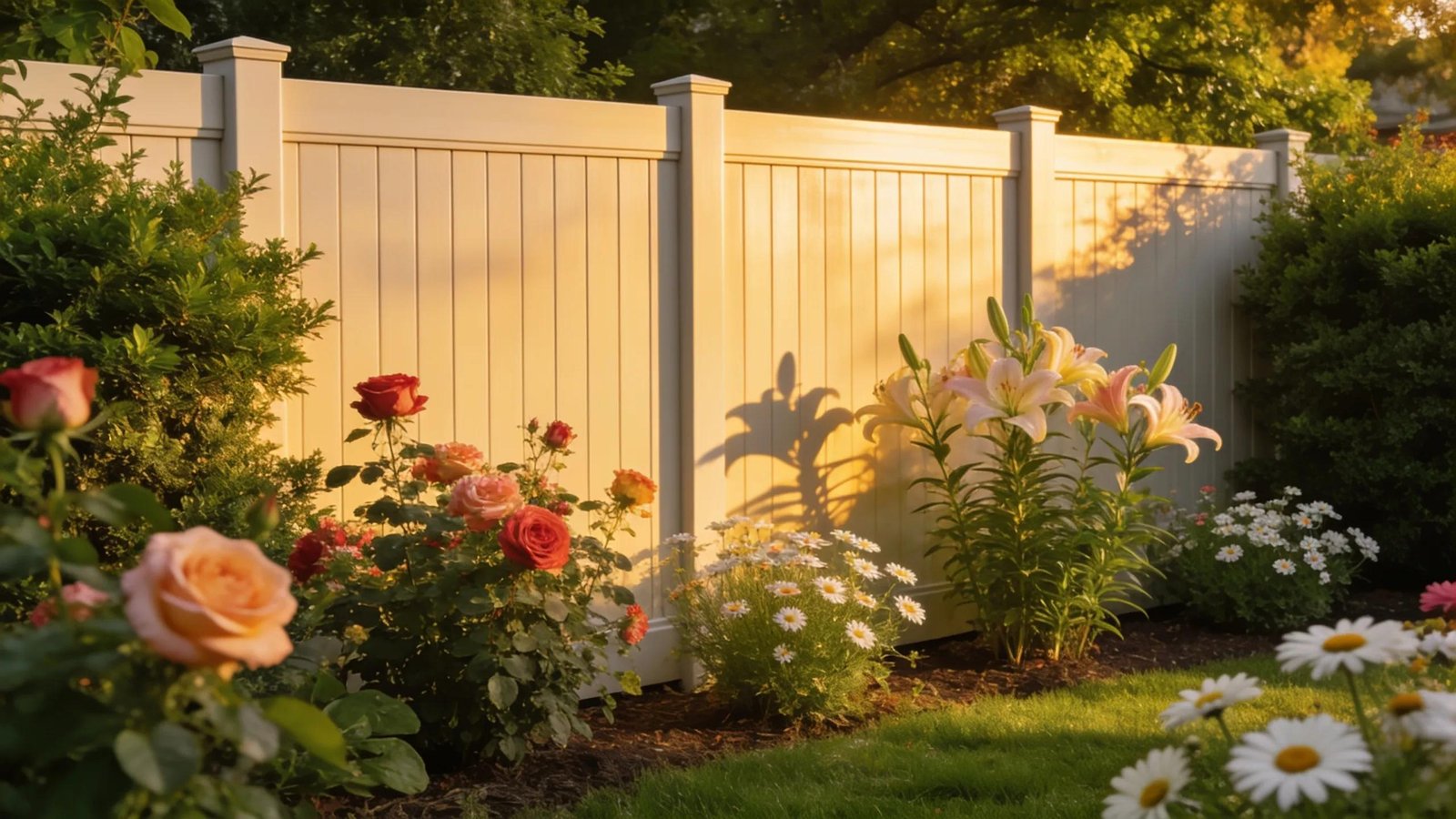
Privacy Fence Installation: How to Choose, Install, and Repair for Optimal Privacy
By Eli Weiss, Fence With Style
Privacy fences give homeowners security, seclusion, and curb appeal. This guide summarizes material choices, the installation workflow, maintenance essentials, and South Florida regulations to help you choose and preserve the right fence for your property.
Key Takeaways
- Privacy fences improve security and outdoor privacy while adding visual value.
- Common materials: vinyl, composite, and wood—each with different cost and upkeep profiles.
- Vinyl and composite perform well in South Florida’s humid, storm-prone climate.
- Installation requires planning, permits, solid post-setting, panel attachment, and finishing.
- Most South Florida backyards are limited to about 6 feet; permits and HOA rules often apply.
- Wood needs more frequent care; vinyl and composite need basic cleaning.
- Professional installers help ensure code compliance and often provide warranties.
Choosing the Right Material
Select a material that balances budget, appearance, and maintenance. Consider climate exposure, expected lifespan, and how much upkeep you want.
Best Materials for Privacy Fences
Homeowners in South Florida commonly choose:
- Vinyl Fencing: Durable, low-maintenance, resists rot and warping.
- Composite Fencing: Wood-like look with reduced upkeep.
- Wood Fencing: Traditional and customizable but requires regular treatment.
Each material varies in initial cost, look, and long-term maintenance needs—pick what fits your priorities.
Installation Process
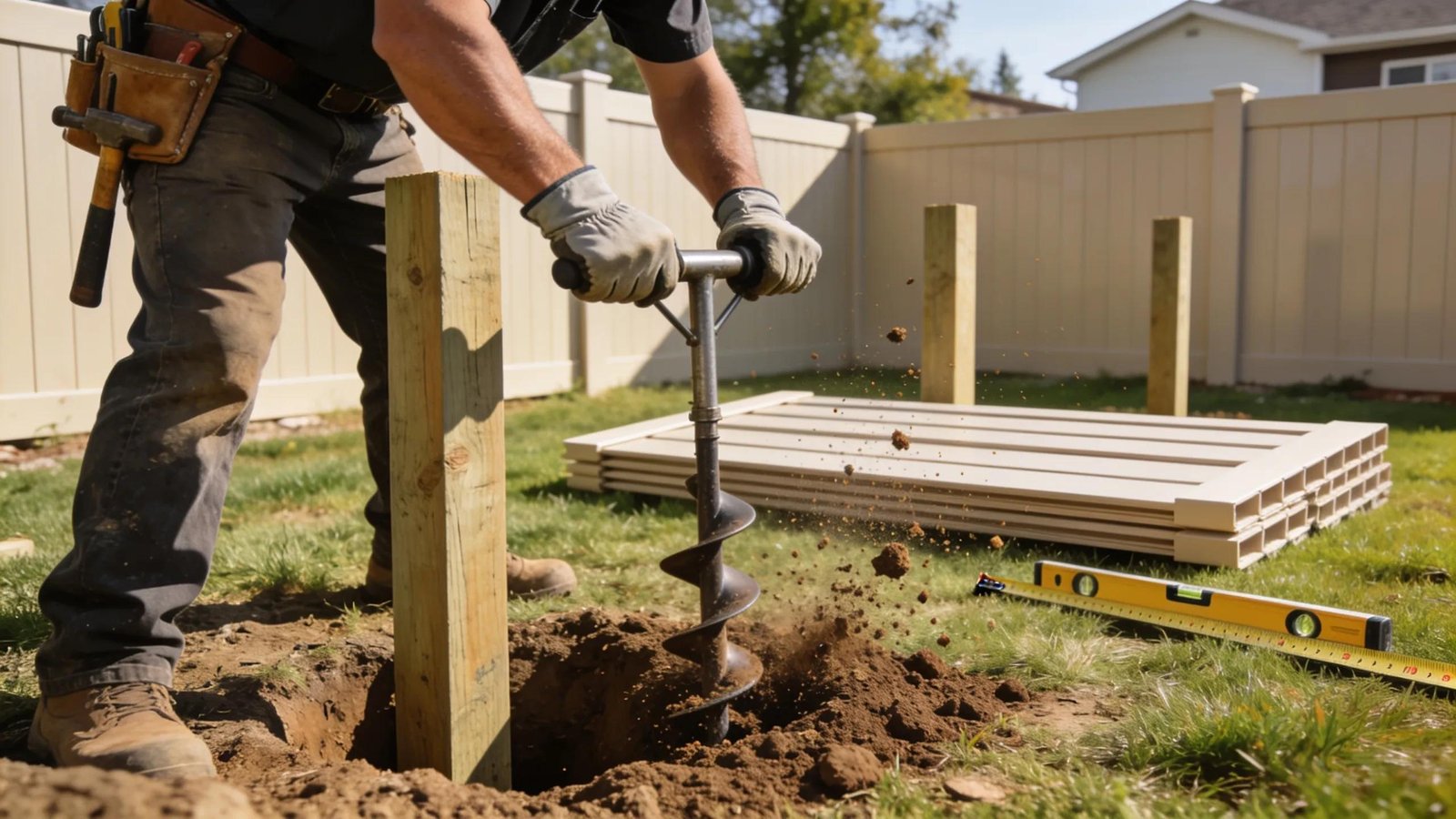
Installations follow a predictable sequence: plan and permit, prepare the ground, set posts securely, attach panels or boards, and add gates and finishing details.
- Planning and Permitting: Confirm property lines, local height limits (commonly ~6 feet) and get permits if required.
- Ground Preparation: Mark layout and clear obstacles for accurate placement.
- Post Installation: Set posts deep and plumb; proper anchoring prevents movement.
- Panel Installation: Attach panels or boards, checking level and spacing.
- Finalizing Touches: Add caps, gates, and finish details for appearance and function.
Professional teams can speed the process, avoid permit issues, and deliver a neater result. For tailored privacy fence installations in South Florida, Fence with Style is an example of a local specialist.
Key Steps in Installation
Core actions to focus on:
- Site Assessment: Verify boundaries and determine gate placement.
- Post Setting: Use concrete or appropriate anchors; ensure consistent depth.
- Panel Attachment: Secure panels level to posts; check alignment frequently.
- Gates & Finishing: Fit gates squarely and apply final trims or caps.
Attention to these steps reduces callbacks and extends the fence’s useful life.
Maintenance and Repair Tips
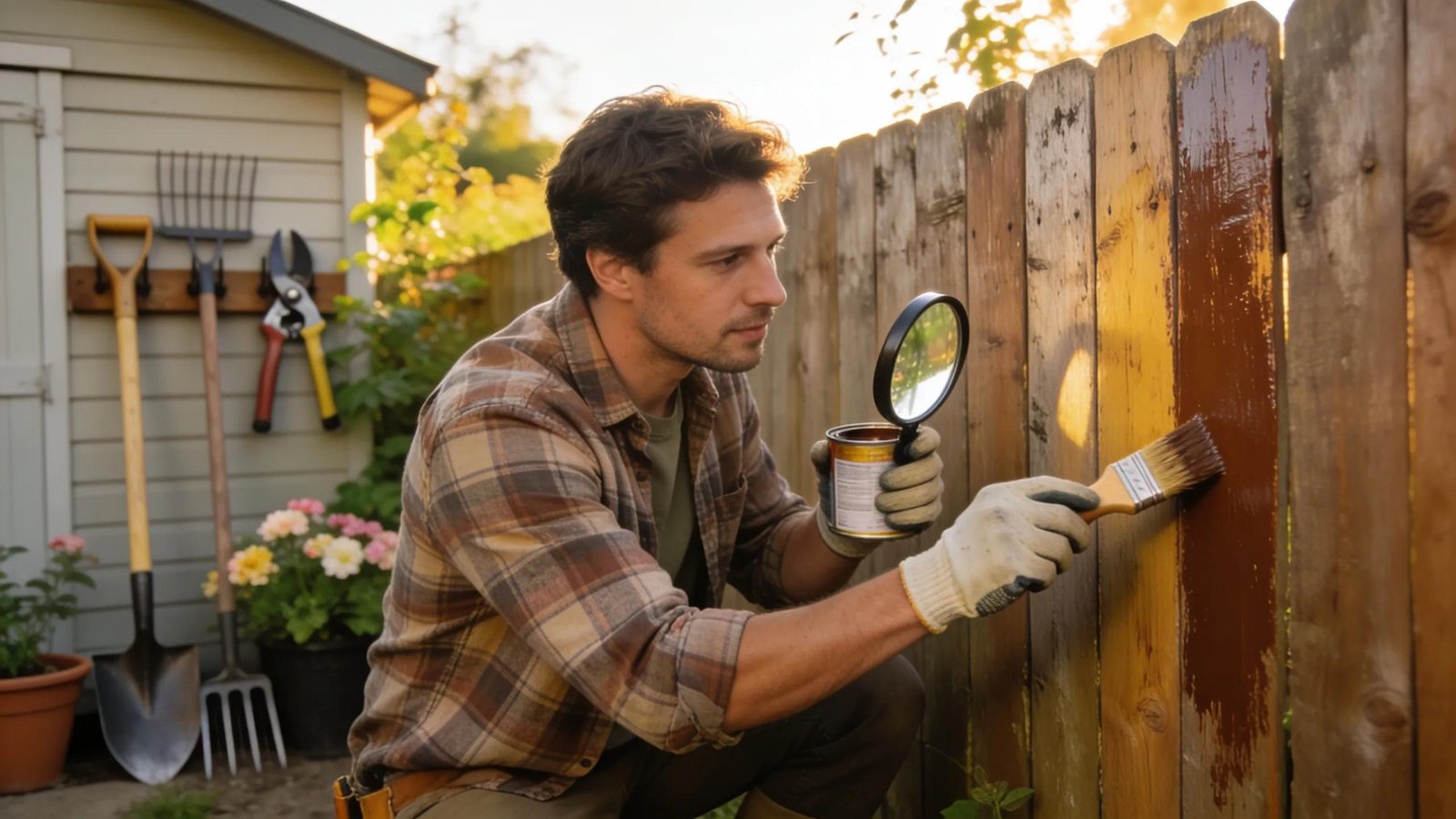
Regular, simple care prevents larger problems. Inspect after storms and address damage promptly.
- Vinyl: Wash occasionally with mild soap and water.
- Composite: Rinse or wash to remove dirt; minimal upkeep otherwise.
- Wood: Inspect for rot and pests; stain or seal as recommended.
Prompt repairs—straightening posts, replacing broken boards, or tightening fasteners—keeps the fence stable and private.
What Are the Best Materials for Privacy Fences in South Florida?
Vinyl and composite usually offer the best balance of durability and low maintenance in coastal, humid conditions. Wood remains an option for appearance where regular care is acceptable.
How Do Wooden, Vinyl, and Composite Fences Compare for Privacy?
All three can deliver privacy; choose based on maintenance tolerance and budget. Vinyl and composite are low-maintenance; wood is high-maintenance but customizable.
Why Are Vinyl and Composite Fences Trending for South Florida Privacy?
Homeowners favor these materials for low upkeep, a range of styles, and resistance to humidity and storms—factors that reduce long-term costs and upkeep time.
How Is Privacy Fence Installation Done by Professionals?
Pros bring knowledge of local codes and efficient crews, reducing permit risk and installation errors. Many offer workmanship warranties for added protection.
How Can You Maintain and Repair Privacy Fences Effectively?
Routine visual checks and seasonal cleaning keep most fences functional. For structural issues—leaning posts, rot, widespread damage—hire a professional to ensure correct repairs.
- Inspect annually and after major storms.
- Clean vinyl/composite as needed; treat wood with stain or sealer.
- Repair loose or damaged posts and panels promptly.
What Local Permits and Regulations Affect Privacy Fence Installation in South Florida?
Local rules commonly set backyard height limits (often 6 feet) and require permits for new fences; HOAs may add appearance standards. Check with your municipality and HOA before building.
Are Permits Required for Building Privacy Fences in South Florida?
Yes—permits are typically required. Prepare a site plan and material descriptions for the application.
Florida Fence Laws: Property Owner Rights and Obligations
This handbook aims to inform property owners regarding their rights and responsibilities concerning fencing obligations. Topics covered include a property owner’s duty to fence when livestock is present, the rights of adjacent landowners to erect fences, fence placement regulations, encroachments, boundary definitions, easements, contractual agreements, nuisance considerations, and a landowner’s liabilities towards individuals entering their property.Handbook of Florida Fence and Property Law: Visitors and Responsibilities to Visitors, 2022
Securing permits up front avoids fines and costly rework.
How Do Local Regulations Influence Privacy Fence Design and Installation?
Regulations determine allowable heights, required setbacks, and sometimes materials or finishes. Following those rules reduces delays and neighbor disputes.
Frequently Asked Questions
1. What is the average cost of installing a privacy fence in South Florida?
Costs vary by material and site; a typical range is a modest to mid-range per linear foot—get multiple quotes to compare.
2. How can I choose the right height for my privacy fence?
Balance privacy needs with local height limits (commonly 6 feet) and neighbor sightlines; consult HOA rules if applicable.
3. How often should I conduct maintenance on my privacy fence?
Inspect wood annually; clean vinyl/composite periodically and after severe weather.
4. What are the common signs that my wooden privacy fence needs repair?
Look for rot, loose or broken boards, leaning posts, and pest damage—address these early to prevent spread.
5. Are there eco-friendly options for privacy fencing materials?
Yes—bamboo and recycled-composite products are sustainable choices; locally sourced certified wood can also reduce transport impacts.
6. Can I install a privacy fence myself, or should I hire a professional?
DIY is possible for simple layouts, but professionals help with permits, complex sites, and guaranteed workmanship.
7. What warranties are typically offered for privacy fences?
Warranties vary: vinyl/composite often have long manufacturer warranties; wood warranties are generally shorter and depend on maintenance.
Conclusion
Choose a material that fits your climate, budget, and maintenance preference. Proper planning, permit compliance, solid installation, and regular upkeep will keep your privacy fence effective and attractive for years.